
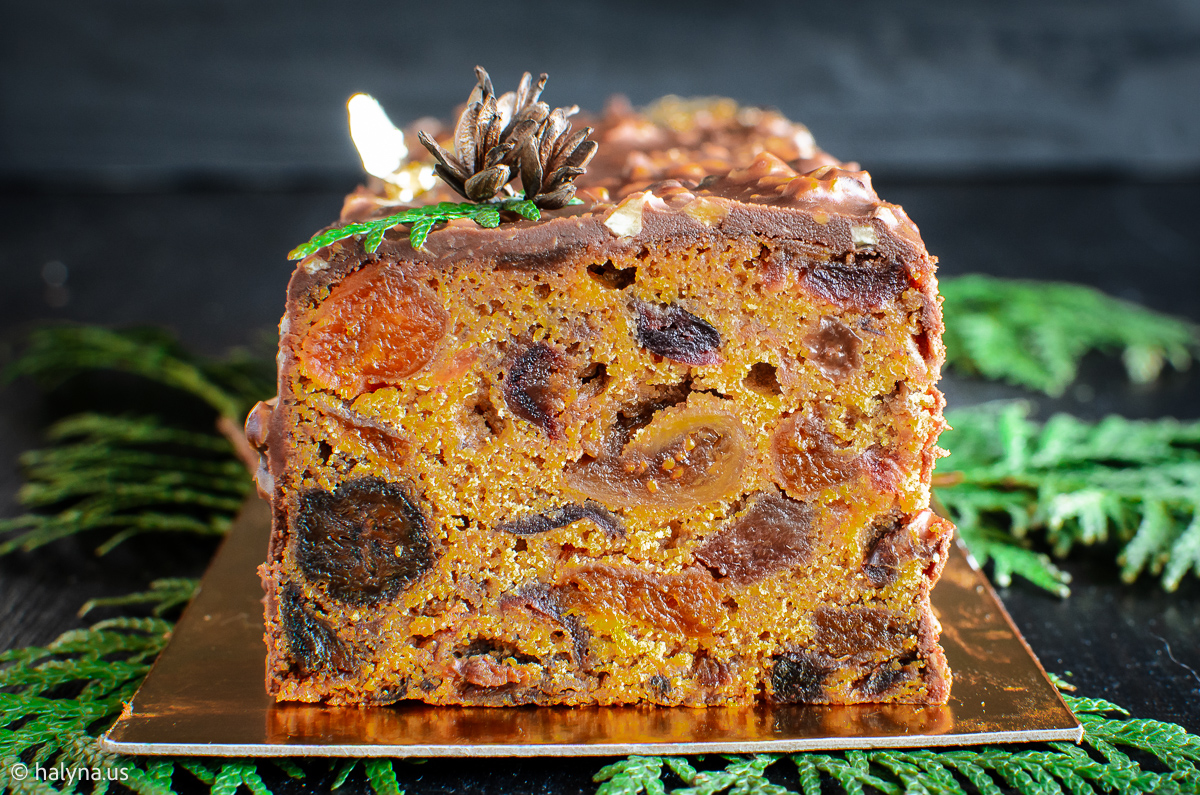
This English Christmas cake is a dark, moist fruitcake made with about 4 pounds (about 1.85 kg) of dried fruit, rum, and honey, baked low and slow and then brushed with rum once a week until the holidays. Bake it 4 to 6 weeks ahead. One batch makes four loaves of about 2¼ pounds (1 kg) each — one for your table, three to give away — and takes about an hour of hands-on time.
I’d loved this cake for years before I learned two things about fruitcake in America: people love to joke about it, and “fruitcake” is also what you call someone who’s a little nuts. Fair enough — I’m the person who hides cakes in a cupboard and gives them a drink of rum every week. Six weeks in, the jokes usually stop at the first slice.
That weekly ritual is the best part. Somewhere around mid-November, the holidays start to feel like a to-do list; this cake turns the countdown into something you look forward to. Once a week you unwrap the loaves, brush them with rum, and tuck them back into their parchment. The kitchen smells like Christmas long before the tree goes up.
The first time I made it, I baked through the night because I was leaving the next morning, with an alarm set so I wouldn’t doze off. I still remember brushing the hot loaves with rum and watching them drink it in. It went on to become the most popular recipe on my first blog, and reminding readers every fall that it was time to start became a tradition of its own. This is me starting it again.
This post may contain affiliate links. If you buy through them, I may earn a small commission at no extra cost to you. As an Amazon Associate, I earn from qualifying purchases.
Why You’ll Love This Recipe
- Same-day fruit. Bring the fruit to a boil with the rum and honey, let it cool, and it’s ready to bake. (The traditional week-long soak is here too, if you love the ritual.)
- Four loaves from one batch. Resist the urge to halve it. It goes faster than you think, and three loaves are already gifts.
- It gets better every week. By week six the crumb turns almost buttery, with a gentle warmth from the rum on the tongue.
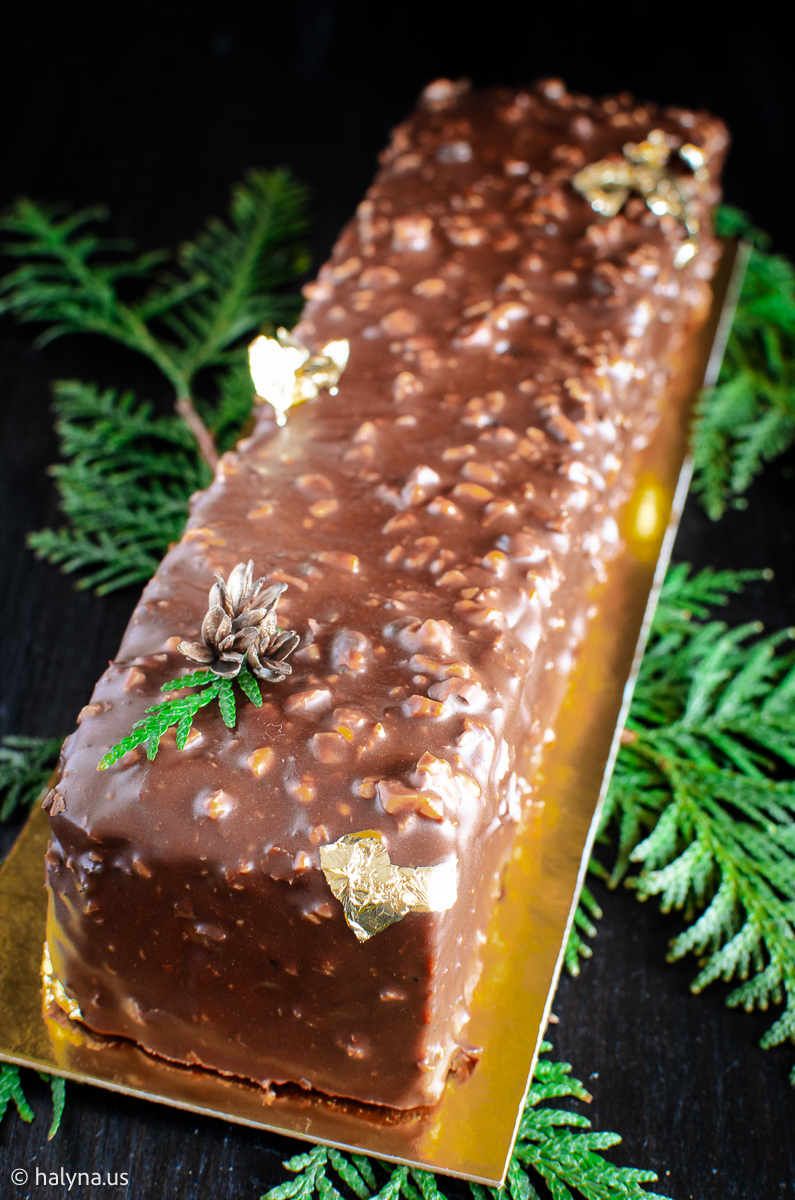
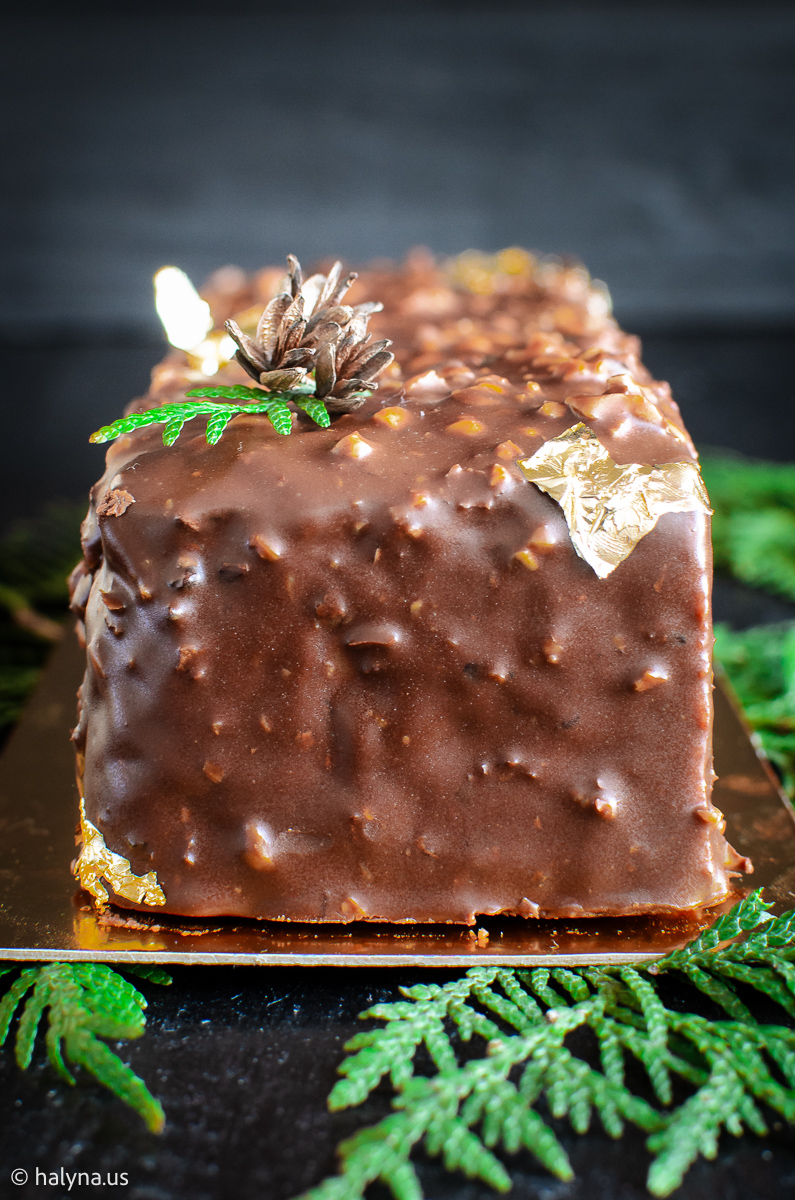
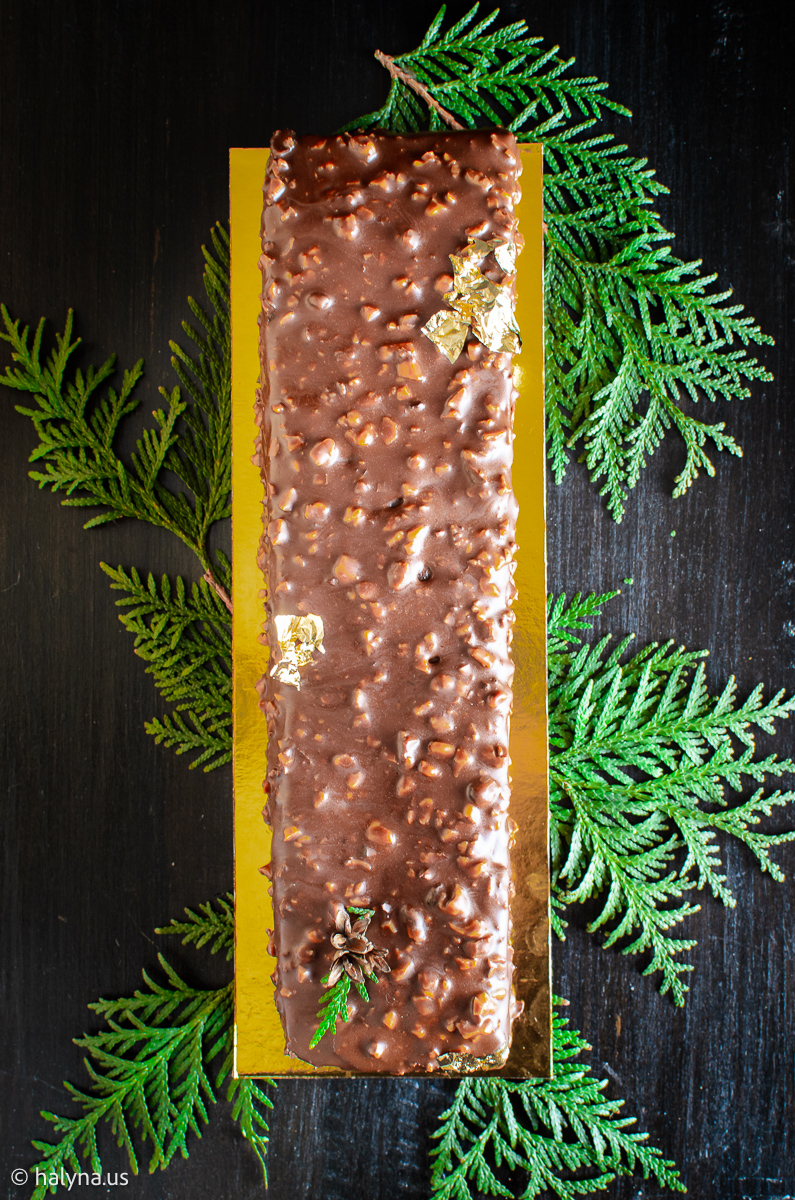
- Two ways to finish. Classic white royal icing, or my favorite: a chocolate glaze full of toasted nuts — less sweet, and frankly better looking.
Recipe at a Glance
| Total time | 1 hr active + 3 hrs baking + 4–6 weeks maturing |
| Difficulty | Easy — it’s long, not hard |
| Yield | 4 loaves, about 2¼ lb (1 kg) each |
| Oven | 275°F (140°C) |
| Key tip | Brush with rum while the cake is still hot — that first feeding soaks in deepest |
| Contains | Alcohol, nuts, eggs, dairy, gluten |
Ingredients You’ll Need
The fruit is the cake, so buy fruit you’d happily eat straight from the bag. The rest is pantry staples and a bottle of dark rum.
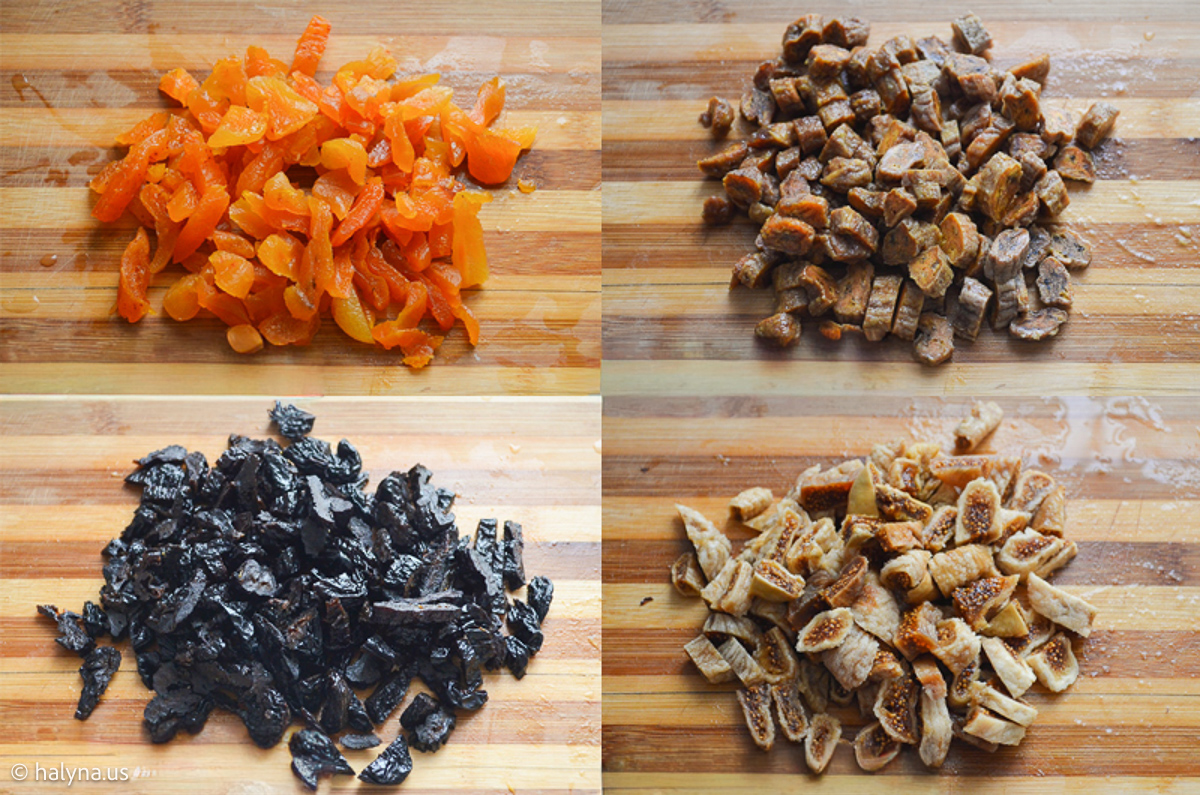
- Dried fruit, 1.85 kg (about 4 lb) in total. My mix: prunes, dried apricots, figs, pitted dates, dark raisins, dried cranberries, dried bananas, and dried pears. The total weight matters more than the mix — swap any fruit for one you like better, and the cake bakes the same. Readers have made it with just one or two kinds and loved it. Chewy dried bananas (not fried banana chips) are hard to find in American stores; use the same weight of dates or figs instead.
- Dark rum. It flavors the fruit and, just as important, preserves the cake while it matures. Brandy, cognac, or bourbon work too. One 750 ml bottle usually covers the soak and all six weeks of feeding.
- Honey, lemon juice, vanilla extract, and one orange. They go into the soaking liquid with the rum; the zest and juice keep all that dark fruit bright.
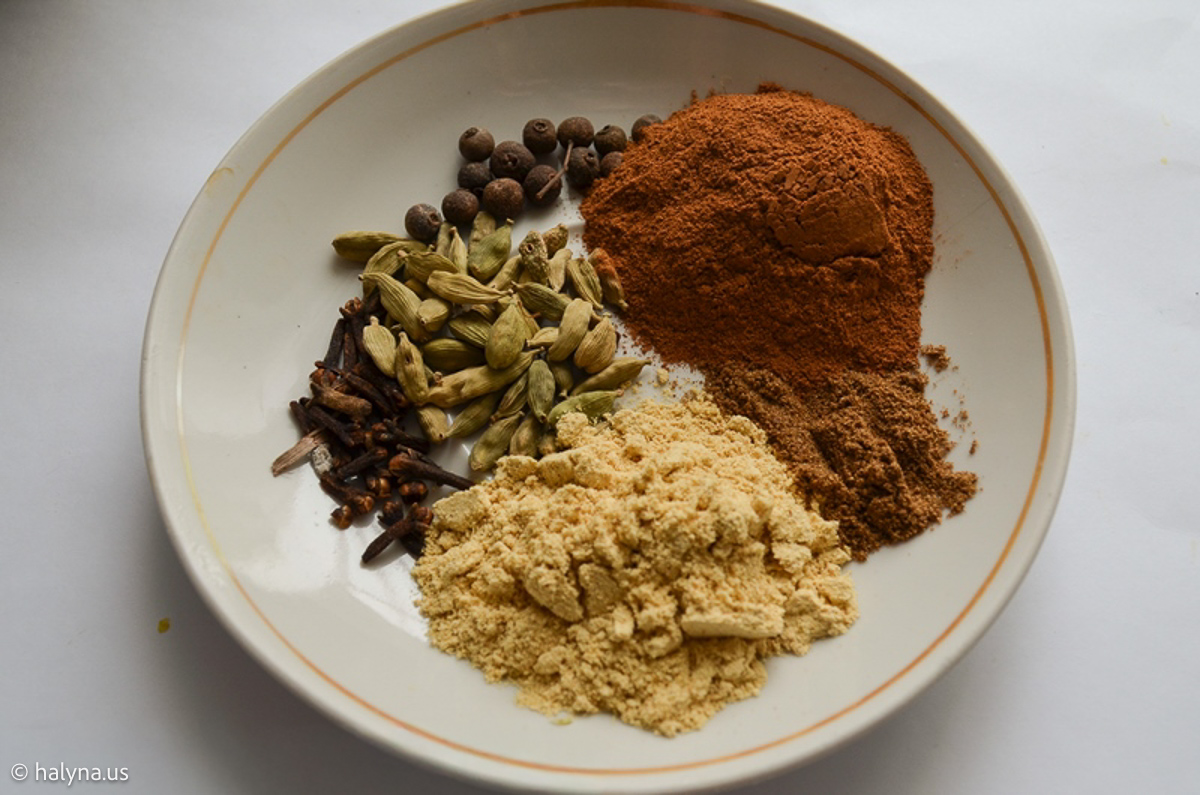
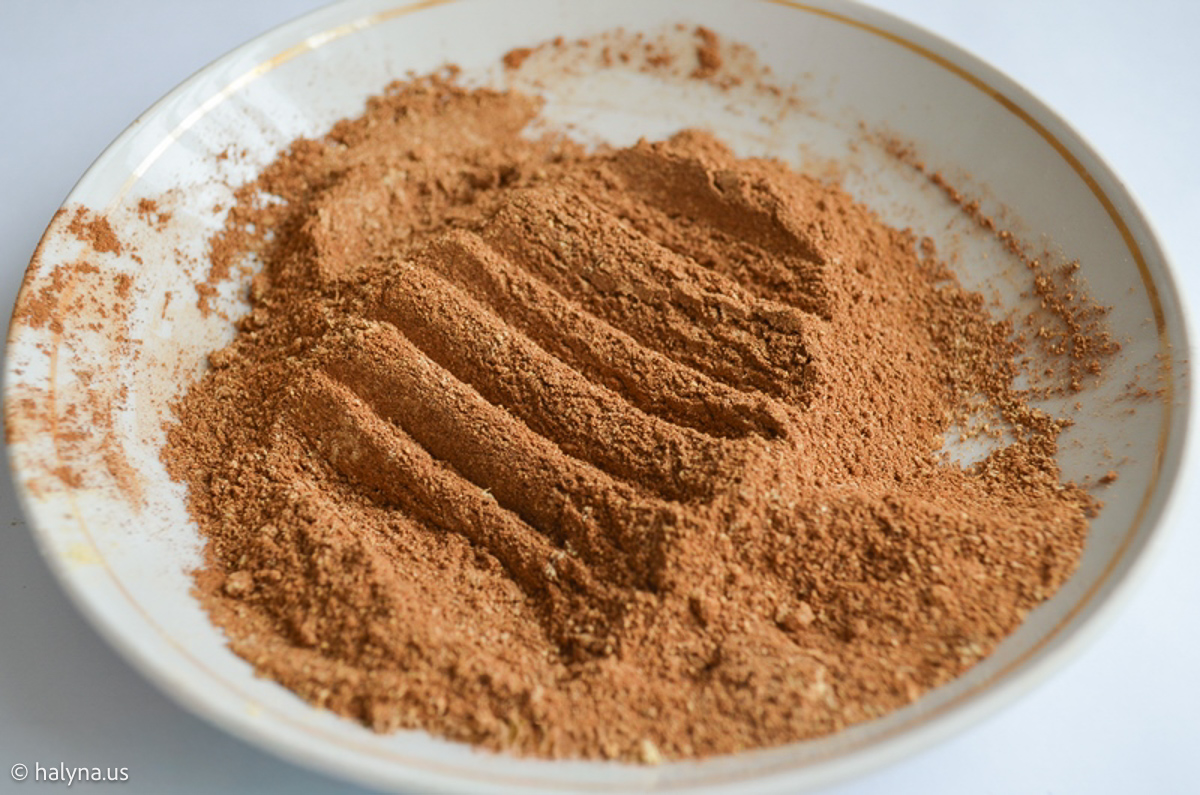
- Warm spices, 3 tablespoons in total. Cinnamon, ground ginger, nutmeg, cardamom, cloves, allspice — the proportions are yours. Some people want more ginger, some more cinnamon. I often use my own holiday spice blend. If your spices are whole, grind them in a coffee grinder and sift.
- Burnt sugar syrup, 4 tablespoons. Sugar cooked to dark caramel and loosened with water. It gives a deep caramel note and helps the cake stay soft instead of going stale. It’s easy to make at home, or use honey, light corn syrup, or glucose syrup instead.
- Flour, ground nuts, and fine cornmeal. All-purpose flour (whole wheat works too). Any ground nuts except peanuts, which take over the whole cake; to save time, use store-bought almond flour. I like Anthony’s organic almond flour, and Costco often has a good price on a big bag. The cornmeal is optional — skip it and add 80 g more ground nuts. Use fine yellow cornmeal, not cornstarch.
- Butter, sugar, and 7 large eggs. Soft butter and room-temperature eggs, so the batter stays smooth.
About measuring. Cups come off my shelf too, but a cake with this many ingredients is where a kitchen scale earns its spot on the counter. It also lets you divide the batter evenly, so all four loaves finish baking at the same time. The recipe card has US measures if you need them.
Variations & Substitutions
- Spirits: dark rum, brandy, cognac, or bourbon. For an orange note, soak half the fruit in orange liqueur.
- Fruit: any mix you like — keep the total at 1.85 kg (4 lb). Raisins are optional.
- No nuts: replace the ground nuts with the same weight of flour.
- No cornmeal: add 80 g more ground nuts.
- Whole wheat flour works in place of all-purpose.
- No burnt sugar syrup: honey, light corn syrup, or glucose syrup, same amount.
- Shaped molds: the batter is dense enough to hold a decorative shape. Unmold once the cake has cooled.
- Less sugar: I have a separate no-sugar-added Christmas cake with baked apple purée — denser and firmer, a different cake rather than a lesser one.
- For kids or without alcohol: bake something else this time, like a stollen. This cake depends on the rum.
Equipment
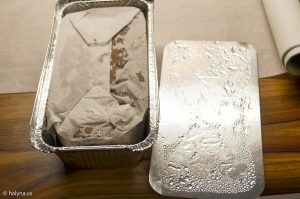
- Four loaf pans (8½ × 4½ in / 22 × 11 cm) — or bake one big slab, which is how I do it now: it’s simpler and faster. I set a tall-sided adjustable cake frame on a deep baking sheet lined with several layers of newspaper, a silicone mat, and parchment, then cut the baked slab into four long loaves. Baking a lot for gifts? Disposable foil loaf pans in the same size make it easy.
- Parchment paper for lining.
- A heavy-bottomed pot for the fruit.
- A stand or hand mixer.
- A kitchen scale.
- A pastry brush — brushing spreads the rum evenly; pouring leaves soggy spots.
- Foil, parchment paper, plastic wrap, large zip-top bags — for wrapping.
How to Make English Christmas Cake
The bake itself takes an afternoon: about an hour of work, time for the fruit to cool, and 3 hours in a low oven.
1. Prepare the fruit (my favorite, same-day method)
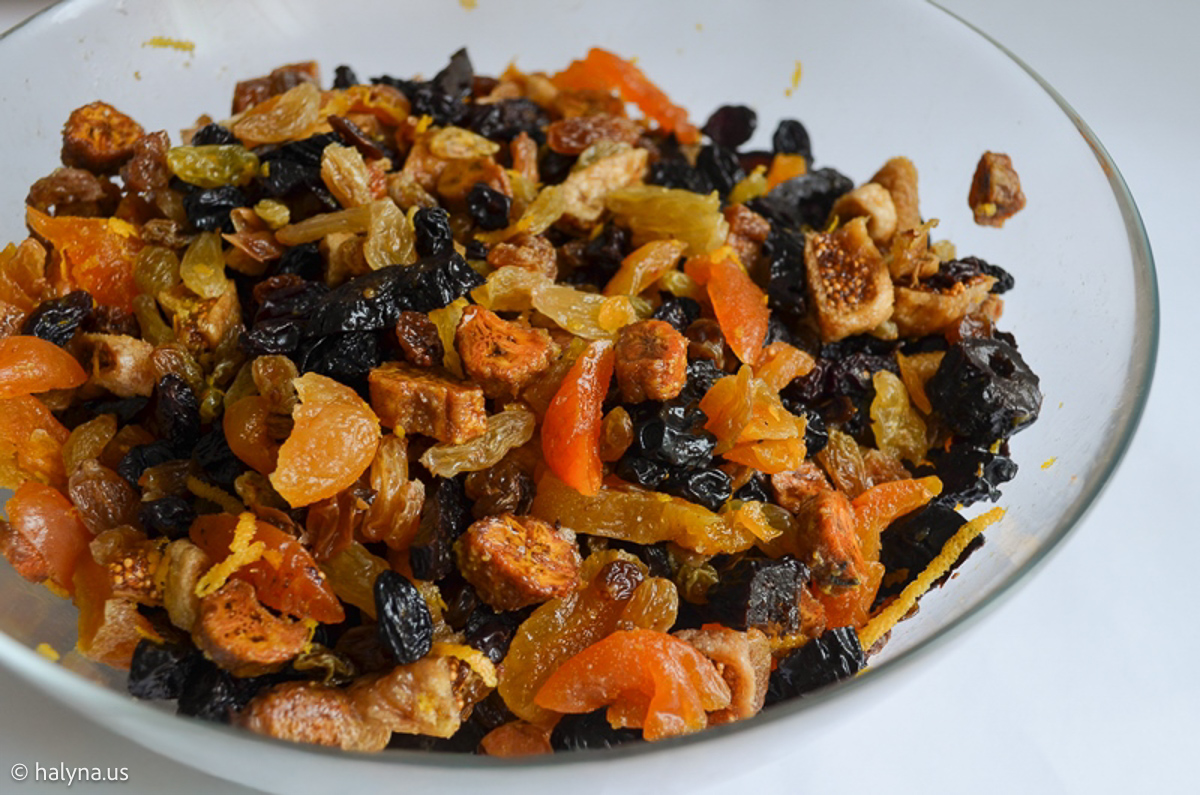
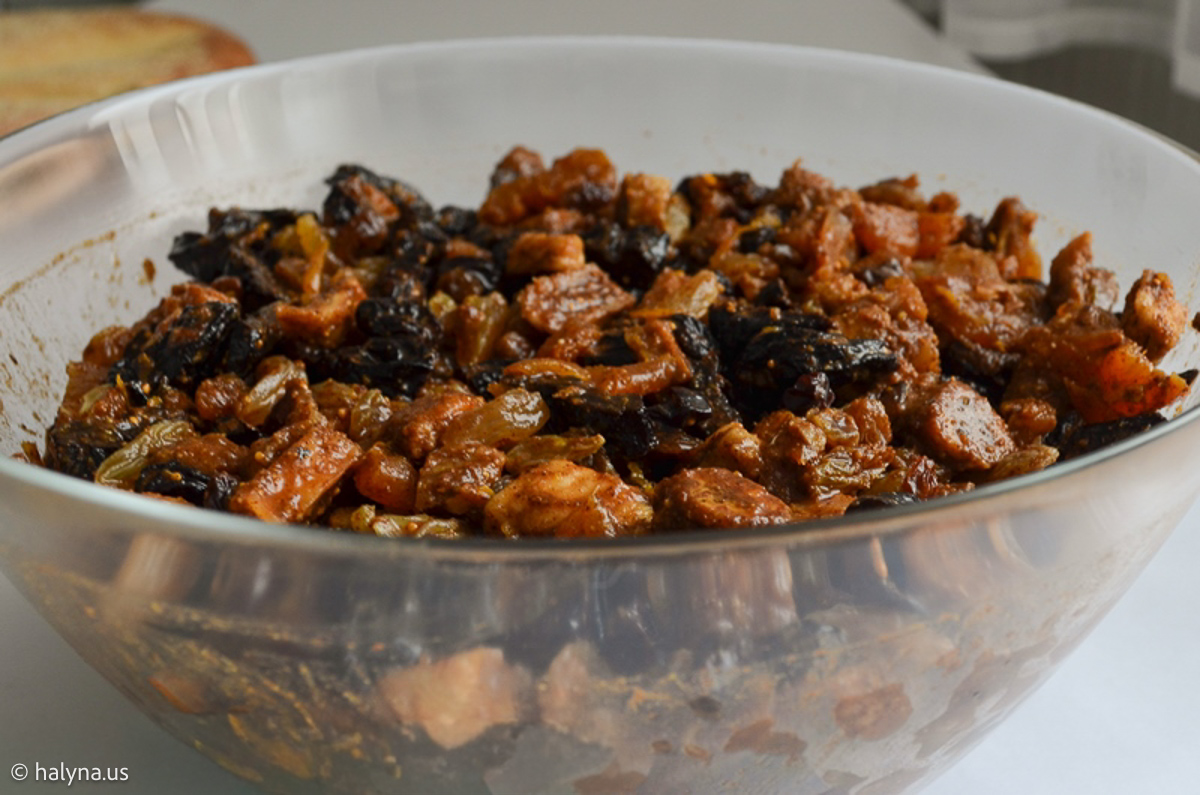
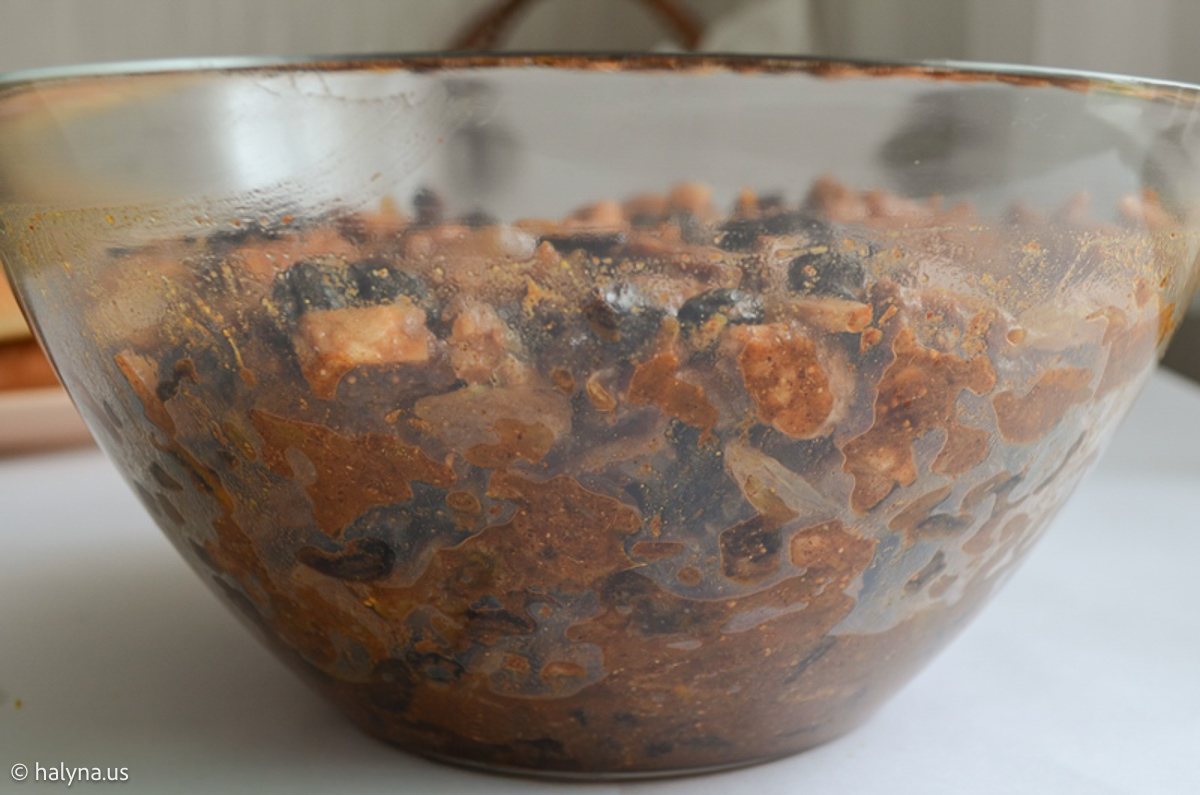
Cut all the fruit into pieces just a little bigger than a raisin. Put it in a heavy-bottomed pot with the orange zest and juice, spices, rum, honey, lemon juice, and vanilla. Bring it slowly to a boil over low heat, cover, turn off the heat, and leave it until completely cool.
The traditional way. Rinse the raisins and cut the other fruit to raisin size. Mix the fruit with the orange zest and spices. Stir the rum, honey, lemon juice, vanilla, and orange juice together, pour over the fruit, mix well, and cover. Leave it somewhere cool — the fridge is fine — for a week, stirring once a day. By day two or three the fruit is already much softer; by the end of the week it’s plump and glossy. Stirring it every day is pure aromatherapy: spice, fruit, rum. The holidays start right there.
2. Get the pans and oven ready
Heat the oven to 275°F (140°C). Line the pans (or your slab frame) with parchment.
3. Make the batter
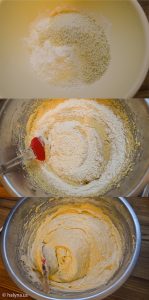
Beat the soft butter and sugar until light and fluffy. Beat in the burnt sugar syrup, then the eggs, one at a time. Whisk the flour, cornmeal, ground nuts, and baking powder together and mix them in. Set aside 4 to 6 tablespoons of plain batter — you’ll need it for the tops.
4. Add the fruit and fill the pans
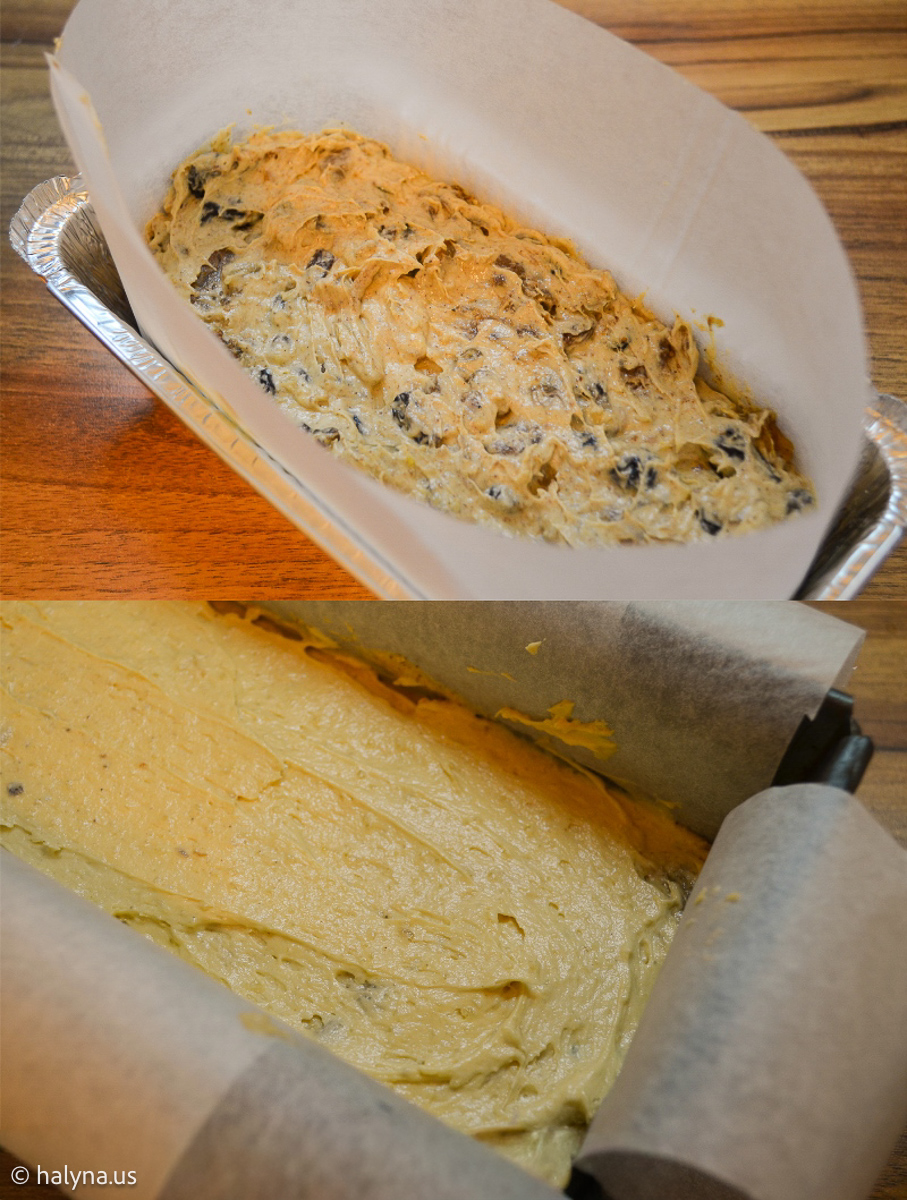
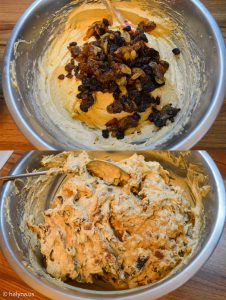
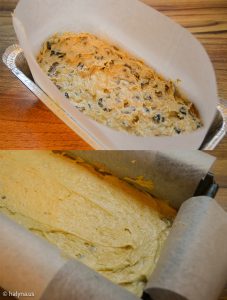
Fold the fruit into the batter along with every drop of its liquid, until evenly mixed. Divide among the pans and spread the reserved plain batter thinly over the tops with a spatula. This thin layer keeps the fruit on top from drying out or scorching during the long bake and gives the loaves a smooth top.
5. Bake low and slow
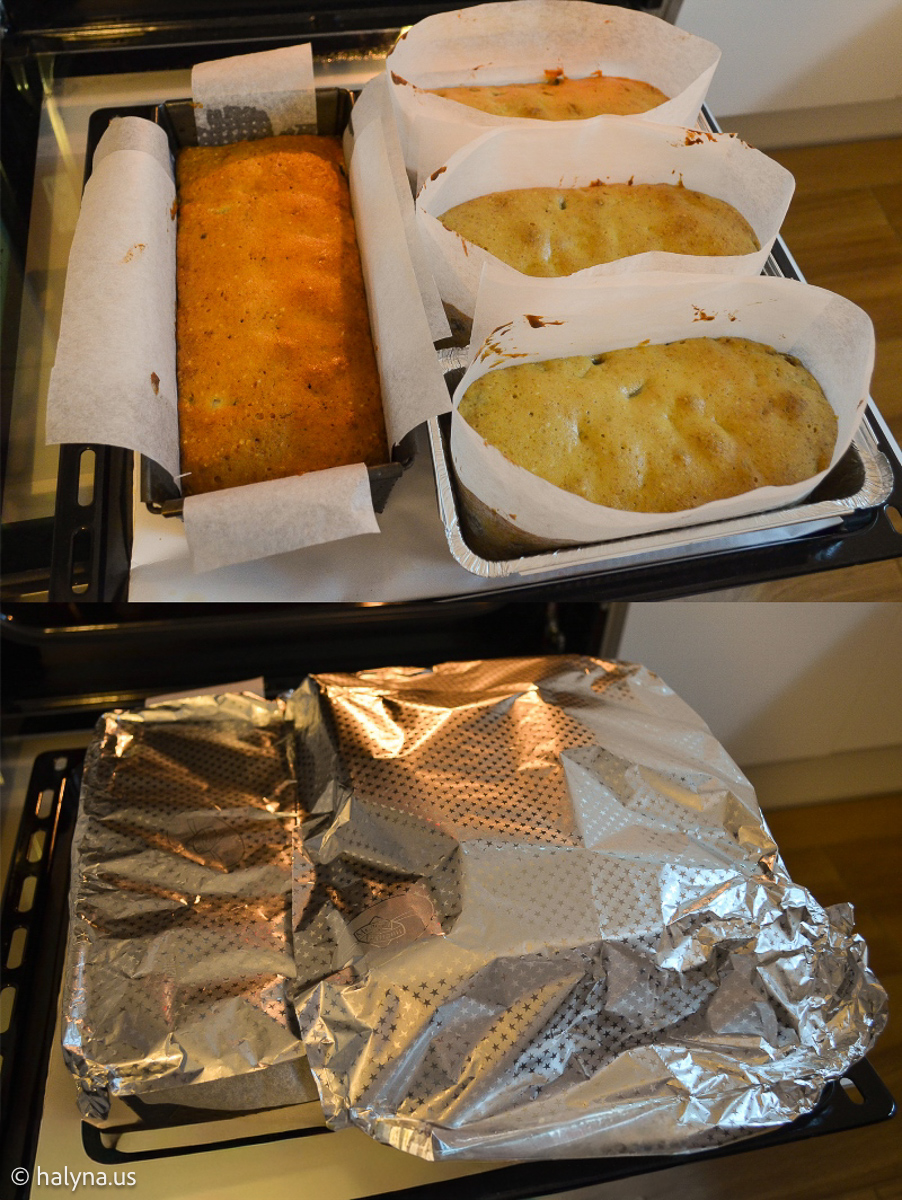
Bake for 1½ hours, then cover with foil and bake 1½ hours more. The cakes are done when a skewer in the center comes out free of wet batter — a little sticky fruit on it is fine. Baking a half batch? The time stays the same — you’ll just have two loaves instead of four.
6. The first feeding
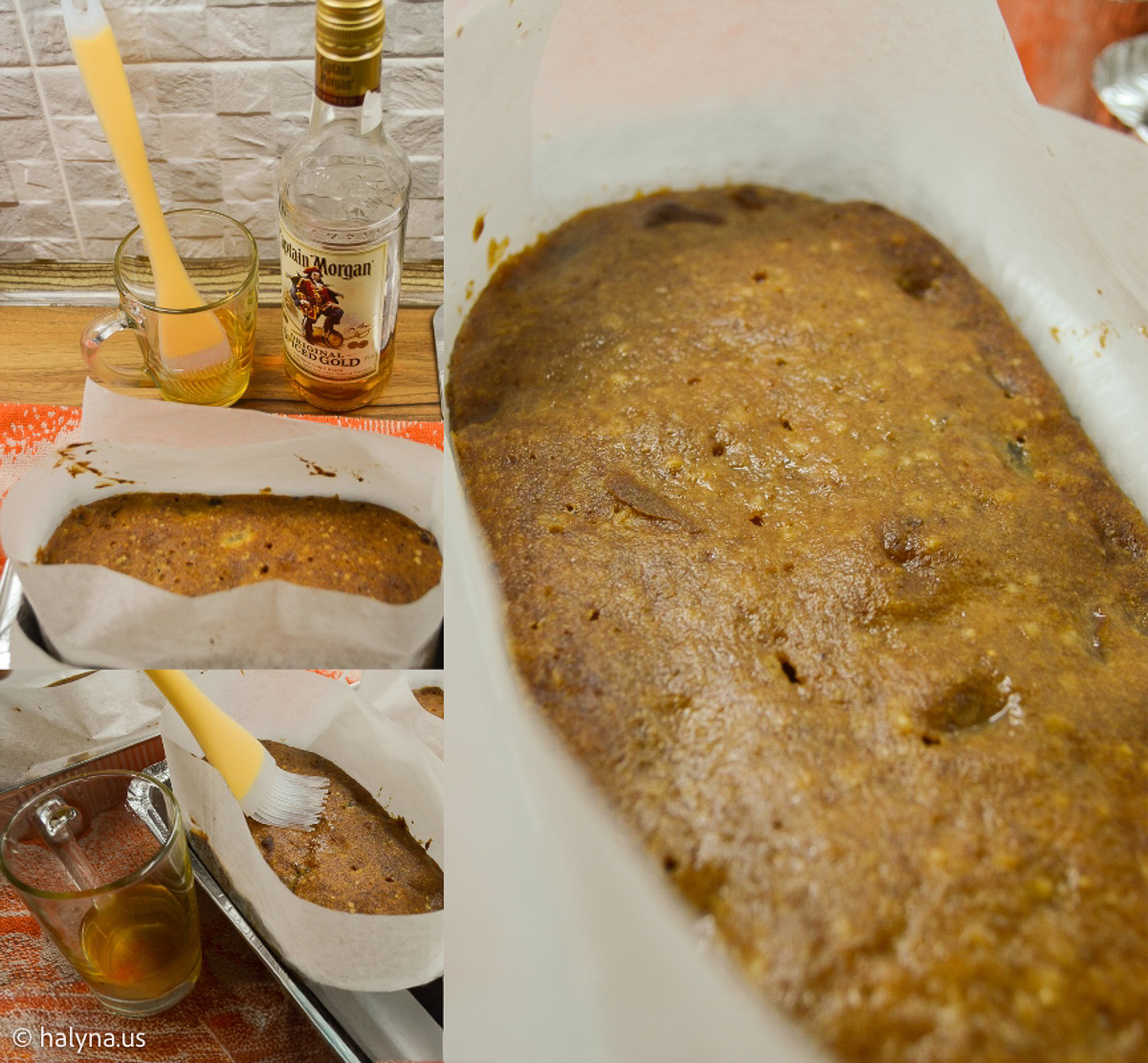
Straight out of the oven, while the cakes are still in their pans, brush them generously with rum. This is the moment they drink the most. Then follow the feeding schedule below.
How to Feed a Christmas Cake
Feed the cake once a week: unwrap it, brush rum over every side, and wrap it up again. Keep it at room temperature in a cupboard — not the fridge. Feeding keeps the cake moist, deepens the flavor, and preserves it, so it can mature safely for weeks.
| When | What to do |
|---|---|
| Straight from the oven | Brush the hot cakes generously with rum, right in their pans. Cover with foil and let cool. |
| Once cool | Unmold (or cut the slab into loaves) and peel off the parchment. Brush with rum again on all sides. Wrap in fresh parchment, then foil, then a bag. Hide them in a kitchen cupboard where no one in the family will find them. |
| Weeks 1–4 | Once a week: unwrap, brush all sides, rewrap. |
| After week 4 | Every week and a half is enough. |
How much rum? As much as the cake will drink. The first, hot feeding takes the most; each one after that, a little less. The whole process — soak plus six weeks of feeding — usually fits in one 750 ml bottle.
Is it supposed to be this heavy and moist? Yes. A well-fed Christmas cake is dense and damp, and it gets more so every week. That’s exactly what you want.
Why not the fridge? The cake keeps there, but it matures differently and the texture ends up less tender. A regular kitchen cupboard is the right place.
How to Decorate Christmas Cake
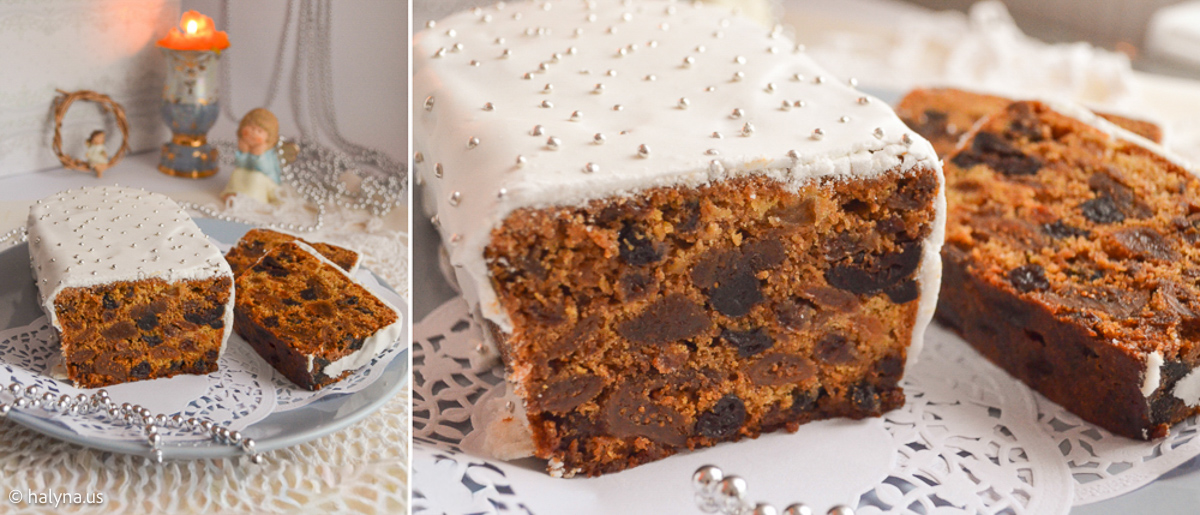
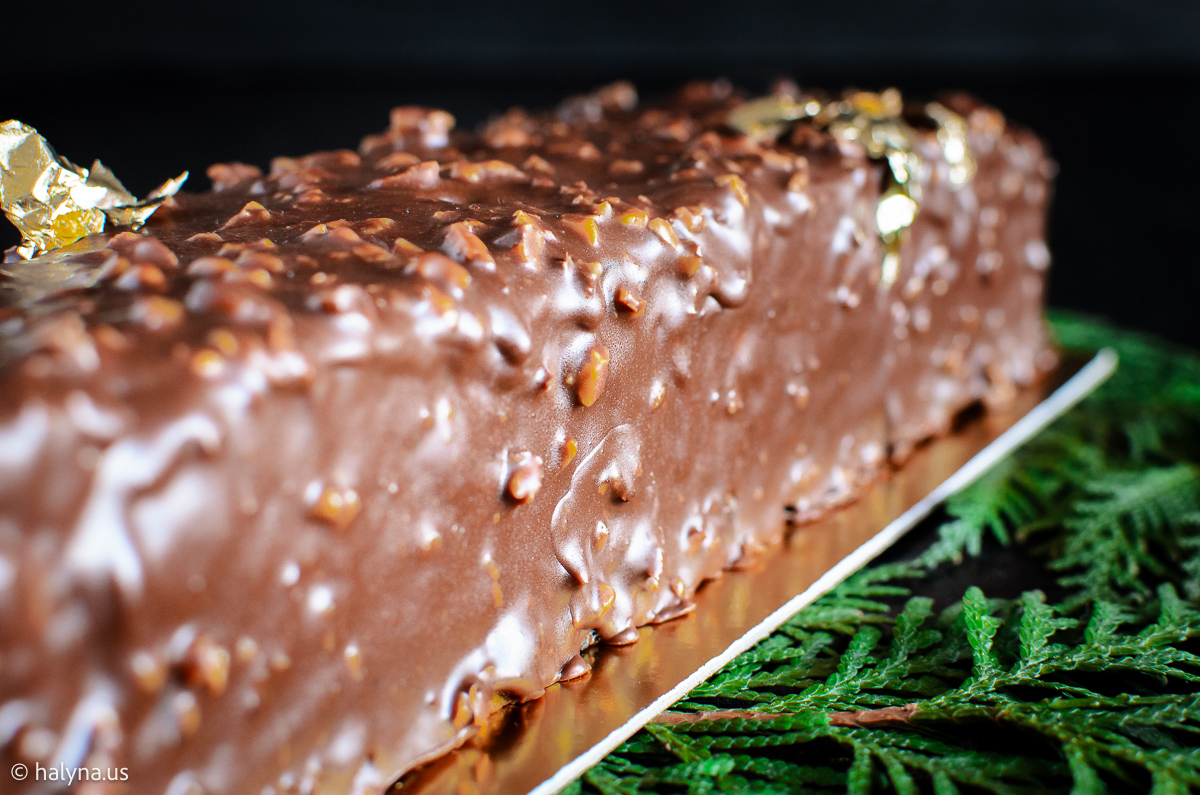
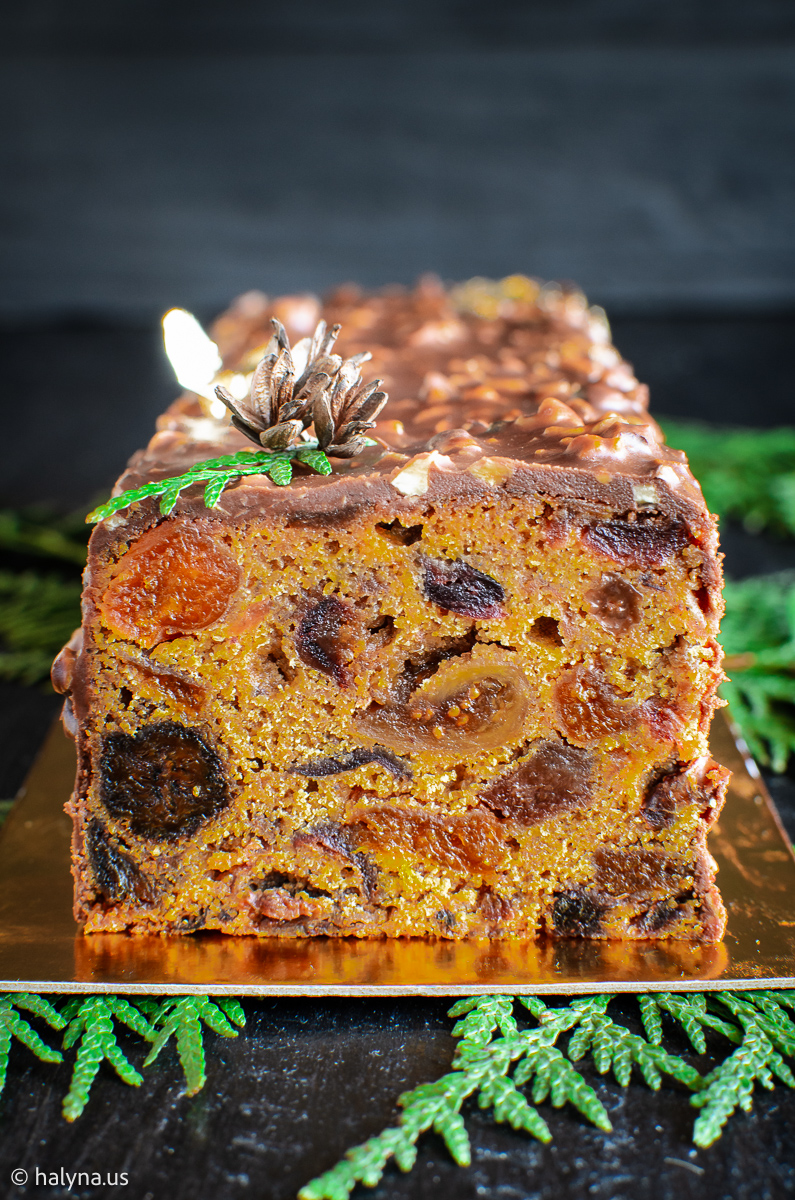
English Christmas cakes are traditionally covered before serving — with royal icing, sometimes over marzipan. My very first cakes wore white icing, and I still keep the photos. These days I finish them with chocolate: it tastes better, it’s less sweet, and it looks far more festive.
Classic royal icing
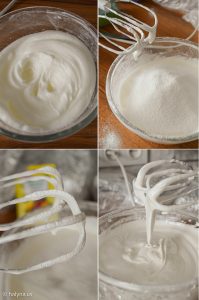
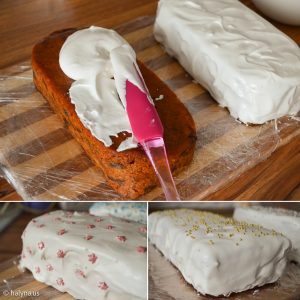
The traditional finish, and a practical one: the icing seals the cake and keeps it from drying out. Whip 3 egg whites to soft peaks, then beat in 400–450 g (3⅓–3¾ cups) sifted powdered sugar a little at a time, with a pinch of citric acid (in the canning aisle). Add coarse citric acid at the start and fine powder at the end. The icing should be thick, glossy, and spreadable. Spread it over the tops and sides with a spatula and leave overnight at room temperature to set. Because the whites aren’t cooked, pasteurized egg whites from a carton are a good idea.
Chocolate-nut glaze (my favorite)
- The day before serving, put the unwrapped cakes in the freezer for 4–5 hours.
- Melt 500 g (17½ oz) milk chocolate and 300 g (10½ oz) dark chocolate with 200 g (1 cup minus 1 Tbsp) neutral oil, in short microwave bursts or over a water bath, stirring.
- Stir in 160–180 g (1¼–1½ cups) toasted, chopped nuts — I like a mix of walnuts and hazelnuts.
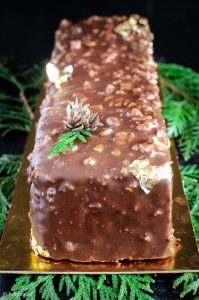
- Set a frozen cake on a rack and pour the glaze over it at 86–90°F (30–32°C). Glazing one at a time is easiest: collect the drips, rewarm the glaze to working temperature, and pour over the next.
- Move the cakes straight to the fridge so they thaw slowly.
Testing Notes: What I’ve Learned
- Slab beats loaf pans. My first Christmas cakes went into individual pans. Now I bake one big slab in a frame and cut it into four long loaves — simpler and faster.
- Same-day fruit wins. I’ve made both the week-long soak and the quick simmer, and I like the simmered fruit better. It’s also the version that makes this recipe possible on a busy weekend.
- Chocolate over icing. I started with classic royal icing. The chocolate-nut glaze tastes better, it’s less sweet, and it looks far more festive on the table.
- What readers taught me. One split the fruit in half and soaked one part in cognac, the other in orange liqueur. Another used whole wheat flour and cut the sugar by a quarter. One baked seven loaves in a single year, all of them gifts.
Common Mistakes (and How to Fix Them)
- Dark loaves with a slightly bitter edge. The oven ran hot — one reader baked the first half hour at 320°F (160°C) by accident. Keep it at 275°F (140°C). If it happens, don’t worry: the bitterness won’t grow as the cake matures, and the rum may even soften it.
- Pouring off the soaking liquid. Everything in the pot goes into the batter, liquid included.
- Maturing it in the fridge. The cake keeps, but the texture comes out less tender. A cupboard is the right place.
- Skipping the rum. The alcohol is what preserves the cake for weeks at room temperature. Without it, choose a different holiday bake.
- Cutting the bake time for a half batch. Same pan size means the same 3 hours — you simply get two loaves.
- Using peanuts. They take over the whole cake. Any other ground nut works.
Make Ahead & Storage
- When to bake: 4 to 6 weeks before you plan to serve it — for Christmas Day, that means baking between mid- and late November. Add a week if you use the traditional fruit soak.
- While it matures: wrapped in parchment, foil, and a bag, at room temperature in a cupboard, fed once a week.
- It can’t over-mature. Six weeks is the sweet spot, but readers have kept these cakes for nine months, and one tested a loaf after almost a year — still delicious.
- After glazing: store somewhere cool, 50–57°F (10–14°C). It doesn’t have to be the fridge — a cold pantry or an unheated porch works.
Serving & Gifting
- Slice it thin. It’s rich and dense, so small slices go a long way.
- As a gift: wrap each loaf in fresh parchment and tie it with twine. Or slip it into a clear cellophane treat bag sized to fit the loaf, so the cake shows through, and finish with a red or gold satin ribbon. One batch gives you three presents and a cake for home.
- A tradition that spreads. One reader’s partner loved the first cake so much that he asked for another on his birthday — now it’s a Christmas cake and a birthday cake in their house every year.
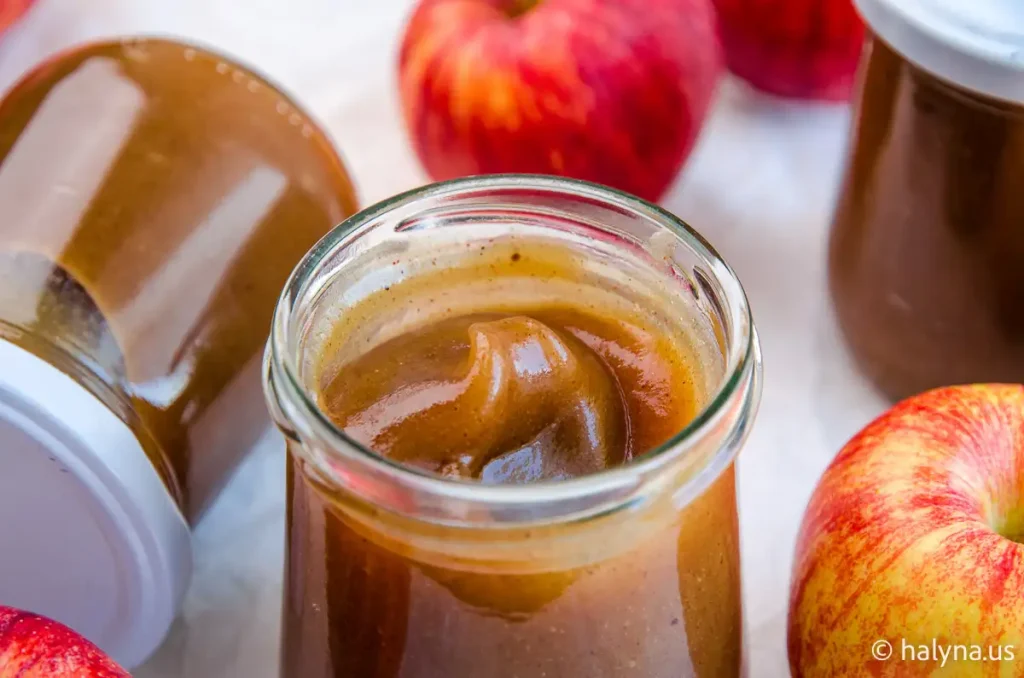
- Make it a gift basket. Tuck a jar of hard cider apple butter next to the loaf. Both keep for weeks, so you can make them ahead and pack the basket in December.
FAQ
How far ahead should I make a Christmas cake?
Bake it 4 to 6 weeks before you plan to serve it — for Christmas Day, that’s mid- to late November. Four weeks is the minimum for the flavors to mellow and the crumb to turn moist; six is ideal. It can’t really over-mature, so baking earlier is fine.
How often should you feed a Christmas cake?
Once a week for the first four weeks, brushing rum over every side, then about every week and a half. The first feeding, while the cake is still hot, matters most because it soaks in the deepest. Each feeding after that, the cake takes a little less.
Does Christmas cake need to be refrigerated?
No. While it matures, keep it wrapped at room temperature in a cupboard — the rum preserves it, and the fridge makes the texture less tender. Once it’s glazed with chocolate, store it somewhere cool, ideally 50–57°F (10–14°C).
Can I make Christmas cake without alcohol?
Not this one. The rum isn’t only flavor — it’s what lets the cake sit at room temperature for weeks while it matures. Some people feed fruitcakes with tea or juice, but then the cake needs the fridge and close watching. For an alcohol-free holiday bake, choose a different recipe.
What’s the difference between Christmas cake and fruitcake?
English Christmas cake is a type of fruitcake: dense, dark, and more fruit than cake, baked weeks ahead and fed with alcohol, then finished with icing or glaze. This one uses only dried fruit — prunes, figs, dates, apricots, cranberries — with no candied cherries or citron.
English Christmas Cake
Ingredients
Fruit
- 300 g prunes
- 250 g dried apricots
- 250 g dried figs
- 250 g pitted dates
- 200 g dark raisins
- 200 g dried cranberries
- 200 g dried bananas (or more dates or figs)
- 200 g dried pears
- 200 g dark rum (or brandy, cognac, or bourbon)
- 100 g honey
- 45 g lemon juice
- 30 g vanilla extract
- 1 orange (zest and juice)
- 3 tbsp ground warm spices (cinnamon, ginger, nutmeg, cardamom, cloves, allspice — to taste)
Batter
- 400 g unsalted butter (softened)
- 320 g granulated sugar
- 4 tbsp burnt sugar syrup (or honey or light corn syrup)
- 7 large eggs (room temperature)
- 400 g all-purpose flour (or whole wheat flour)
- 150 g almond flour (or any finely ground nuts except peanuts)
- 80 g fine yellow cornmeal (optional; or 80 g more almond flour)
- 1 1/2 tbsp baking powder
For feeding
- dark rum (as much as the cake will take — one 750 ml bottle usually covers the soak and all six weeks)
Royal icing (optional)
- 3 large egg whites (pasteurized)
- 400-450 g powdered sugar (sifted)
- 1 pinch citric acid
Chocolate-nut glaze (optional)
- 500 g milk chocolate
- 300 g dark chocolate
- 200 g neutral oil
- 160-180 g toasted chopped nuts (walnuts and hazelnuts)
Equipment
- 4 loaf pans 8½ × 4½ in (22 × 11 cm)
- Disposable foil loaf pans optional, handy when baking for gifts
- Adjustable cake frame optional, for baking one large slab
- Pastry brush for feeding the cake
- Heavy-bottomed pot
- Stand mixer or hand mixer
Instructions
Fruit
- Cut all the dried fruit into pieces slightly bigger than a raisin.
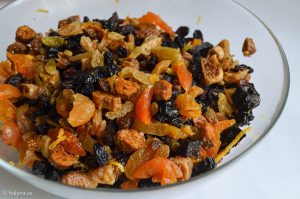
- Put the fruit in a heavy-bottomed pot with the orange zest and juice, spices, rum, honey, lemon juice, and vanilla. Bring slowly to a boil over low heat, cover, turn off the heat, and leave until completely cool.
Batter and baking
- Heat the oven to 275°F (140°C). Line four 8½ × 4½-inch (22 × 11 cm) loaf pans, or a slab frame set on a deep baking sheet, with parchment.
- Beat the softened butter and sugar until light and fluffy.
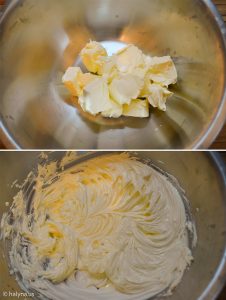
- Beat in the burnt sugar syrup, then the eggs, one at a time.
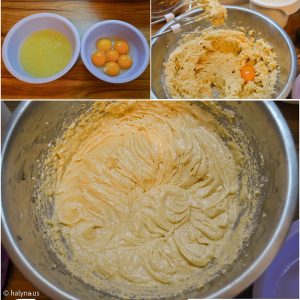
- Whisk the flour, almond flour, cornmeal, and baking powder together and mix into the batter. Set aside 4–6 tablespoons of plain batter.
- Fold in the fruit with all of its liquid until evenly mixed.
- Divide among the pans and spread the reserved plain batter thinly over the tops.
- Bake for 1½ hours, then cover with foil and bake 1½ hours more, until a skewer in the center comes out free of wet batter (a little sticky fruit is fine).
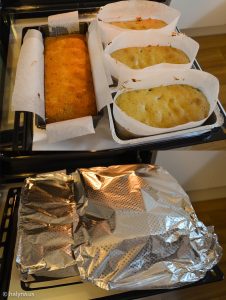
- Take the cakes out of the oven and leave them in their pans.
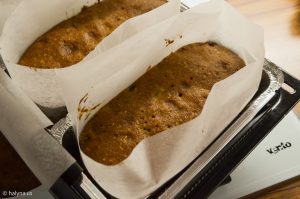
Feeding and maturing
- Straight out of the oven, while the cakes are still in their pans, brush them generously with rum. Cover with foil and let cool.
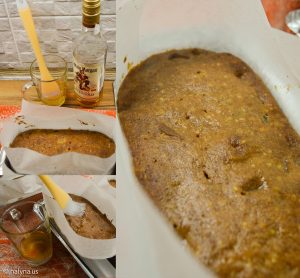
- Unmold the cakes (or cut the slab into four loaves) and peel off the parchment. Brush all sides with rum, then wrap in fresh parchment, foil, and a bag. Store in a cupboard at room temperature.
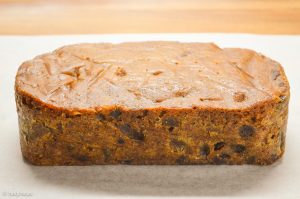
- Once a week, unwrap the cakes, brush all sides with rum, and wrap them again. Keep feeding for 4–6 weeks; after week 4, every week and a half is enough.
Royal icing (optional)
- Whip the egg whites to soft peaks, then beat in the sifted powdered sugar a little at a time with the citric acid until thick, glossy, and spreadable.
- Spread the icing over the tops and sides of the cakes and leave overnight at room temperature to set.
Chocolate-nut glaze (optional)
- The day before serving, put the unwrapped cakes in the freezer for 4–5 hours.
- Melt both chocolates with the oil in short microwave bursts or over a water bath, stirring. Stir in the toasted nuts.
- Set a frozen cake on a rack and pour the glaze over it at 86–90°F (30–32°C). Glaze one cake at a time, collecting the drips and rewarming the glaze before the next.
- Move the glazed cakes straight to the fridge so they thaw slowly. Store them somewhere cool, 50–57°F (10–14°C).
Notes
Nutrition
Baking one this year? Leave a star rating, and tell me in the comments which week you’re on — I love following along. If you share a photo on Instagram, tag @hello.halyna.
Leave a Reply